Process Automation Doesn't Fix Chaos - It Makes It Faster
Someone gets a PDF. Someone gets a paper form. Someone gets an email with an attachment. All three end up entered into the same system, by hand, and all three get entered slightly differently, because nobody ever wrote down what "correct" looks like.
This is one of the most common patterns we see in manual document processing: no documented process, several people doing versions of the same job their own way, most of the source data still not digitized, and the volume adding up to multiple full-time jobs' worth of work. It doesn't feel urgent. It's just the daily background, and it's exactly where process automation conversations tend to start, and go wrong.
The instinct is wrong
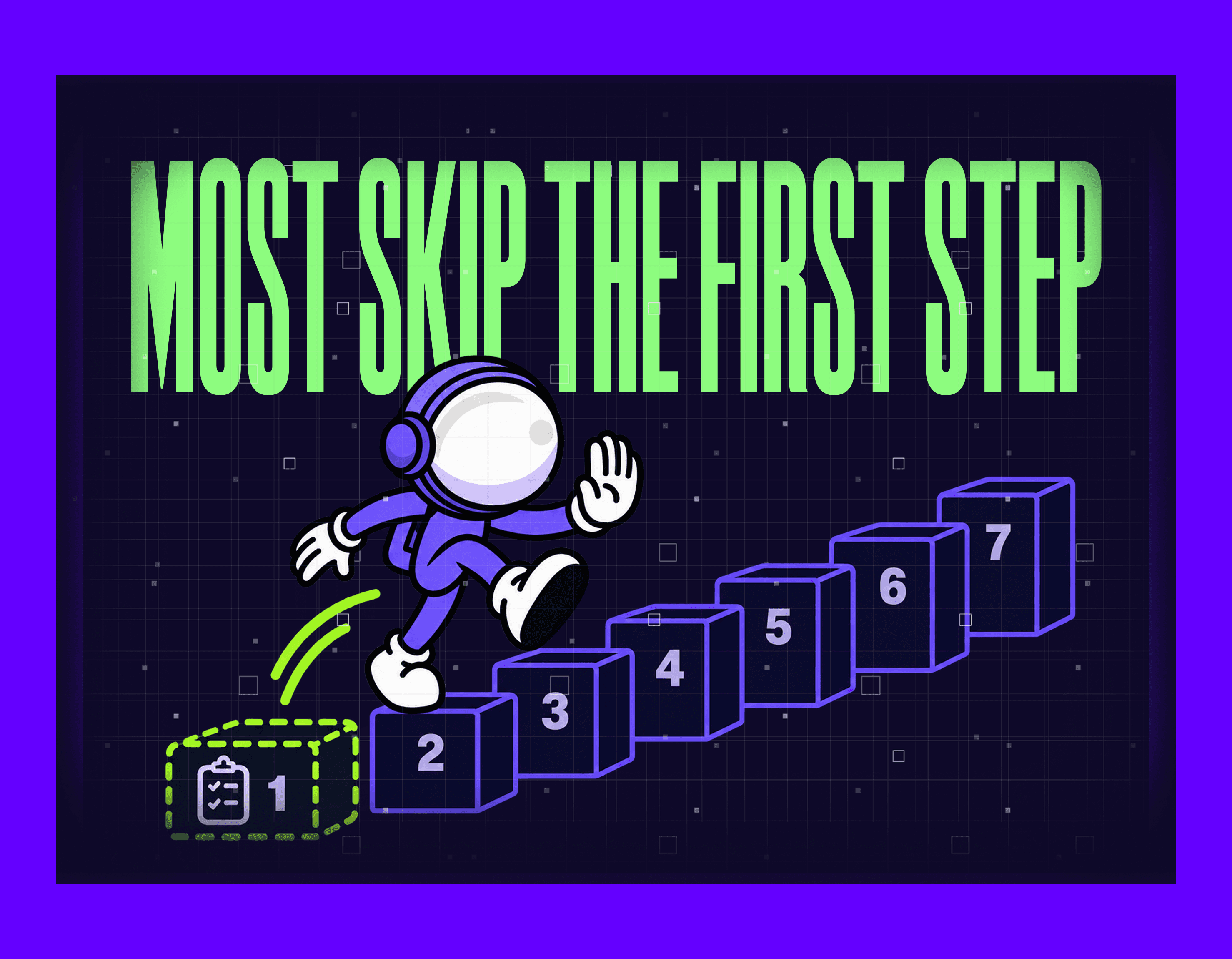
The obvious move looks like: digitize it, get AI to read the documents, connect it to the system. That instinct skips a step. If nobody can say what "done correctly" means yet, automating the process doesn't fix the process inconsistency underneath it, it just repeats it faster and at a larger scale. That's not an efficiency gain. It's the same chaos, shipped quicker. As F5's Lori Mac Vittie put it (opens in new tab): automate a poor process and "you're going to get poor results – just faster than you might have if you executed it manually."
Three questions before any process automation project
Before recommending anything, this is what we actually ask:
- How many versions do you genuinely need? Different clients, different document types - some of that variation is real business complexity. Most of it is just habit that nobody's questioned. The two look identical from the outside until you ask.
- What does this look like at its worst? Not an average Tuesday - month-end, peak season, the week someone's on holiday. A process that holds up fine at normal volume can fall apart at the moment it actually matters.
- Who resolves the disputed cases today? Every manual process has someone who makes the judgment call when something doesn't fit the pattern. That person's knowledge is the part that's easy to lose track of, and the part any fix has to account for.
We saw this exact pattern with a client
One of our clients - a leading bicycle manufacturer (opens in new tab) - ran quality control across paper forms, spreadsheets, and word of mouth. Defects surfaced well after they happened, and nobody could trace them back to where they started. The easy move would have been to slap a digital form on top of the paper process and call it done.
The fix reflects the same logic. The checklists aren't generic - they're tailored per product line and per customer's template, because that variation turned out to be real, not just habit. Critical defects can flag an entire batch, so the process holds up even when something goes wrong at scale, not only on a calm day. And repair decisions run through user permissions, so it's clear who actually has the authority to call a defect fixable or not.
Once that was mapped, the fix was straightforward: each worker's login opens only the checklist relevant to their station, color-coded so a new hire can read status at a glance, with failed checks routed automatically to a repair queue and unrepairable items flagged and removed from the count, no guessing, no paper trail to lose.
Manual documentation dropped 80%. Every step now leaves a digital trail, so defects trace back to source instead of surfacing well after the fact. Quality deviations fell 65%. None of that came from a smarter algorithm. It came from treating real variation, worst-case load, and clear authority as the starting point, not an afterthought.
Fast decisions and immature processes aren't a contradiction
Sometimes the answers to those three questions show a process that isn't ready for a big automation push, but the business can still move fast, because one person can make the call. That combination isn't a reason to wait. It's a reason to start narrow: one document type, one variant, a short first step rather than a full rebuild. Go bigger once you know the pattern actually holds.
Where to go from here
If you're not sure whether your version of this is ready for automation or needs the process defined first, that's exactly what a short, honest diagnostic is for.

Justas Česnauskas
CEO | Founder
Builder of things that (almost) think for themselves
Connect on LinkedIn.png&w=3840&q=75)