Does every task need the strongest AI model?
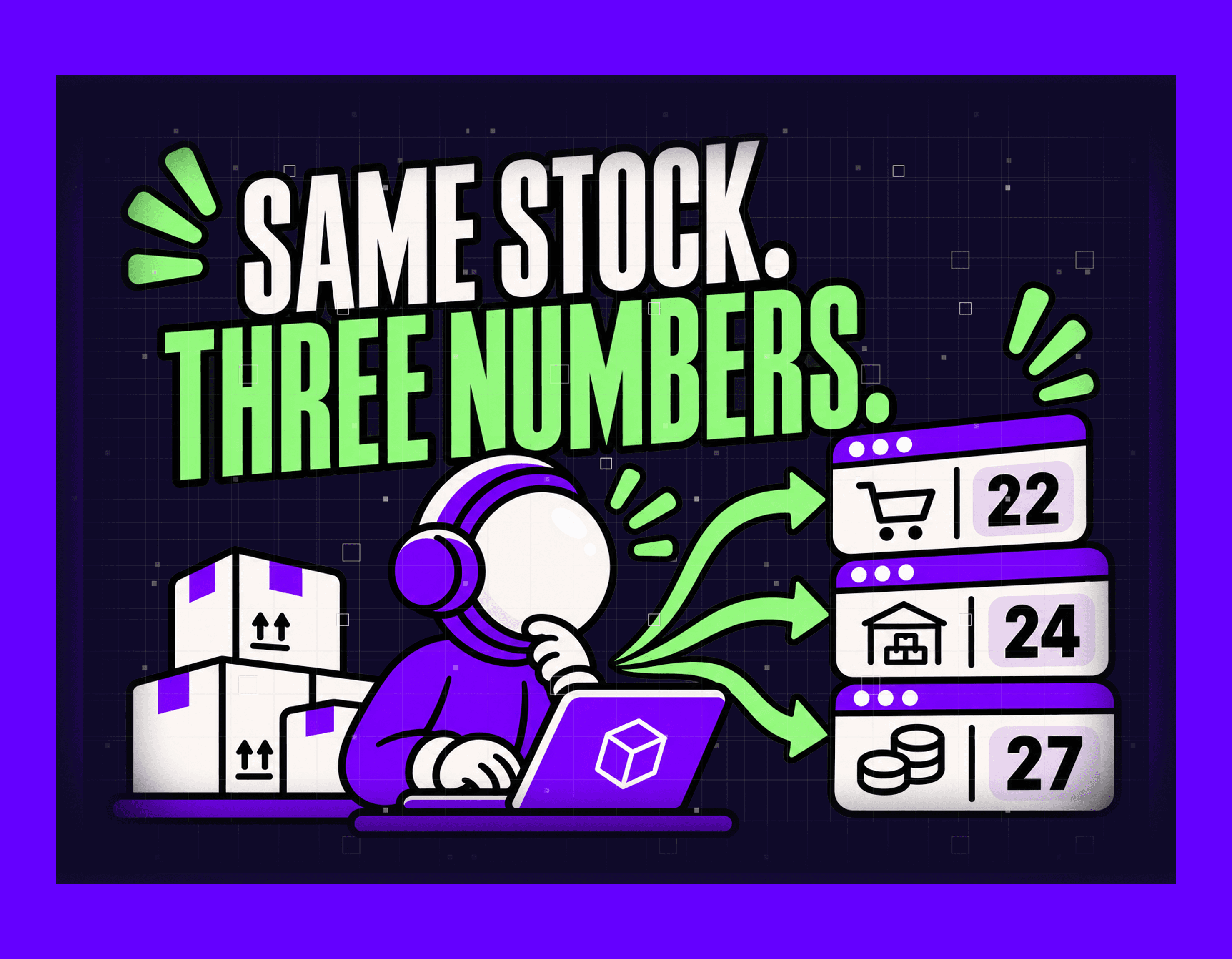
An accountant opens an invoice and looks for its bank payment. The supplier appears under a different name, and the transfer covers several invoices. AI model selection means deciding which model suits a particular task and what result it must deliver.
Reading an invoice number and investigating an ambiguous payment need different checks. A workflow owner should assess those tasks separately before choosing the tools. Software rules, a tested model and human review can each handle a different part of the process.
AI model selection starts with separate tasks
A request to process an invoice conceals several decisions. The system must collect the document, extract its fields and check whether it has seen the invoice before. Matching the document to a bank payment introduces another task. Someone must also decide which cases require employee review.
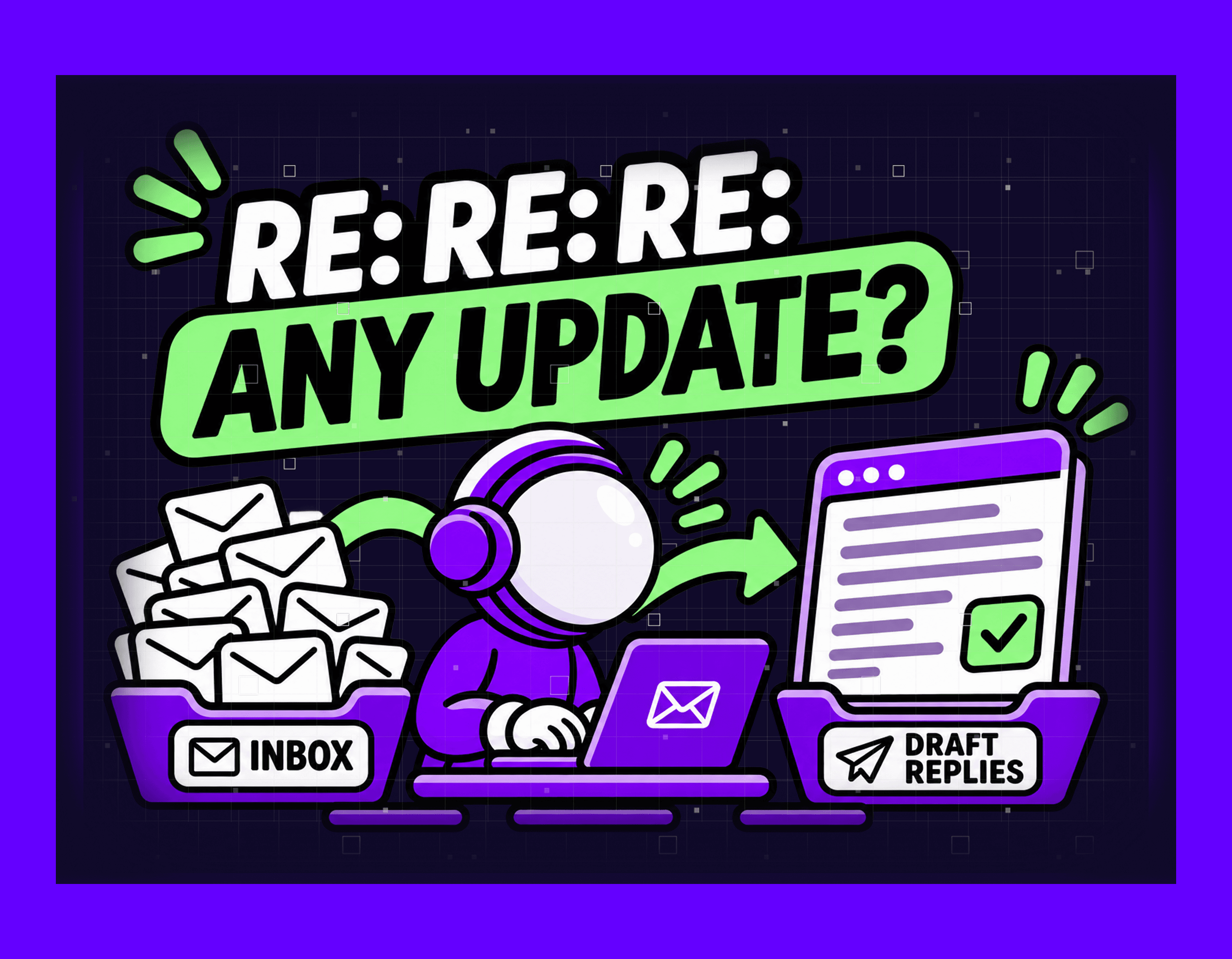
Our invoice automation project (opens in new tab) follows that documented sequence. The system collects invoices from email and shared folders, extracts their details, checks duplicates and reconciles payments. A person reviews the exceptions.
The published project description does not establish that we use different models at each stage. The assignments below are design recommendations applied to that documented workflow. They are not a description of its deployed model architecture.
Separating the stages makes the requirements easier to test. A correct field extraction does not prove that the same model can resolve an ambiguous payment. Equally, a strong reconciliation result does not establish that every earlier step needs the same model.
Explicit checks can run as software rules
A task does not need AI simply because it belongs to an automated workflow. When a business can define an unambiguous condition, a developer can implement that condition directly.
For example, a system could compare a supplier identifier and invoice number with previous records. That check would flag a potential duplicate. The process owner still needs to specify exceptions, including credit notes and any legitimate reuse of identifiers.
A model does not have to reconsider every exact match. Different spellings or a poorly extracted invoice number may need additional investigation, however. An exact-match rule alone would not resolve those cases.
The useful requirement is that an employee can see which fields matched and why the record was flagged. That gives the reviewer something specific to verify. A label saying that AI detected a duplicate would not provide enough detail to investigate a mistake.
This is a proposed implementation pattern, not a claim about the duplicate-checking logic inside MYGOM Invoices. The public project account confirms that the system flags and blocks duplicates before payment. It does not disclose the complete checking algorithm.
Routine extraction needs a tested quality standard
A team can assess field extraction against documents with confirmed answers. The supplier, amount and invoice number must agree with the source. When a date is missing, the system should report the omission rather than invent a value.
AI model selection at this stage should use comparable trials. Each candidate receives the same documents and faces the same checks. The set should include formats and document-quality problems that the team encounters in its work.
OpenAI's model selection guidance (opens in new tab) recommends comparing the same inputs and keeping the lightest setting that meets the quality requirement. It also asks teams to include the time spent checking and editing results.
If a smaller candidate regularly misses essential fields, a lower usage charge does not establish a saving. Employees may spend more time correcting its output. A stronger candidate earns its place when testing shows a useful improvement against the team's requirements.
The team should record the model version, instructions and settings alongside each result. Otherwise, a later comparison may test several changes at once. That makes it difficult to establish whether changing the model caused the difference.
Difficult cases need an explicit escalation rule
Payment reconciliation can require more context than reading a single document. Our project account describes inconsistent supplier names, unclear payment references, combined transfers and partial payments. Those cases made reconciliation harder than extraction.
A team could test a stronger model for that stage. First, the process owner must define which records the model receives and what its answer must contain. A useful proposal would identify specific invoices and payments, with an explanation grounded in those records.
The workflow could request additional review when it finds conflicting records or cannot identify an unambiguous match. The team would need to test that routing condition as well. A model's statement that it feels confident should not independently authorize the match.
Escalation also needs a stopping condition. If another attempt cannot resolve the conflict, the system should preserve the evidence for a person. Repeated requests do not establish that the eventual answer is correct.
AI model selection does not change the boundaries of financial authority. In the published MYGOM workflow, insufficiently reliable matches go to an exception list. Decisions about disputed invoices remain with a person. A more capable model can assist that review without receiving permission to approve payment.
Compare the full path to an accepted result
The workflow owner needs to know whether the final record is correct and how much work its acceptance required. A model's response time provides only part of that answer. Extra calls, retries and employee corrections also belong in the comparison.
Before changing a working process, the team can run the existing and proposed approaches on the same cases. Useful records include:
- Which fields the system read incorrectly or left empty.
- Which invoice and payment relationships it proposed incorrectly.
- How many valid cases an employee had to review unnecessarily.
- How much time and how many model calls an accepted result required.
The assessment should distinguish a false approval from a cautious referral. A wrongly matched payment and an unnecessary review create different consequences. The business needs to decide which errors make a candidate unacceptable before comparing averages.
Anthropic's guidance on evaluating agents (opens in new tab) distinguishes an agent's reported answer from the resulting system state. It also recommends repeated trials because model outputs can vary. A successful demonstration therefore should not settle the choice. The team can repeat important cases and inspect whether the result remains acceptable.
Testing a routing design requires examining its decisions as well as the individual models. A capable model cannot help a difficult case that the earlier step wrongly labels as routine. The evaluation must include cases that should have reached additional review but did not.
The comparison may support keeping one model throughout. It may instead justify rules for some stages and a model for others. AI model selection should leave the team with evidence for that choice, rather than an assumption that a more elaborate design performs better.
When a more complex system would not help
Additional model routing should address an observed problem in the workflow. A team can check these situations before commissioning development:
- The accounting system already performs the required check correctly. Use its existing functions before buying a separate AI implementation.
- A single model meets the agreed quality and timing requirements. Splitting the work across models adds little without a measurable reason.
- The company lacks confirmed examples and an accountable reviewer. Establish the evaluation criteria before using tests to justify a model change.
Where to start
Choose one recurring workflow stage and write down how an employee decides whether its result is acceptable. That requirement gives the team a specific basis for assessing the current approach.
The MYGOM team can examine the stages and help compare software rules, models and human review. Before recommending a change, we agree on the outcome and the errors that the comparison will measure.
Contact us (opens in new tab) to assess a specific stage in your automation.